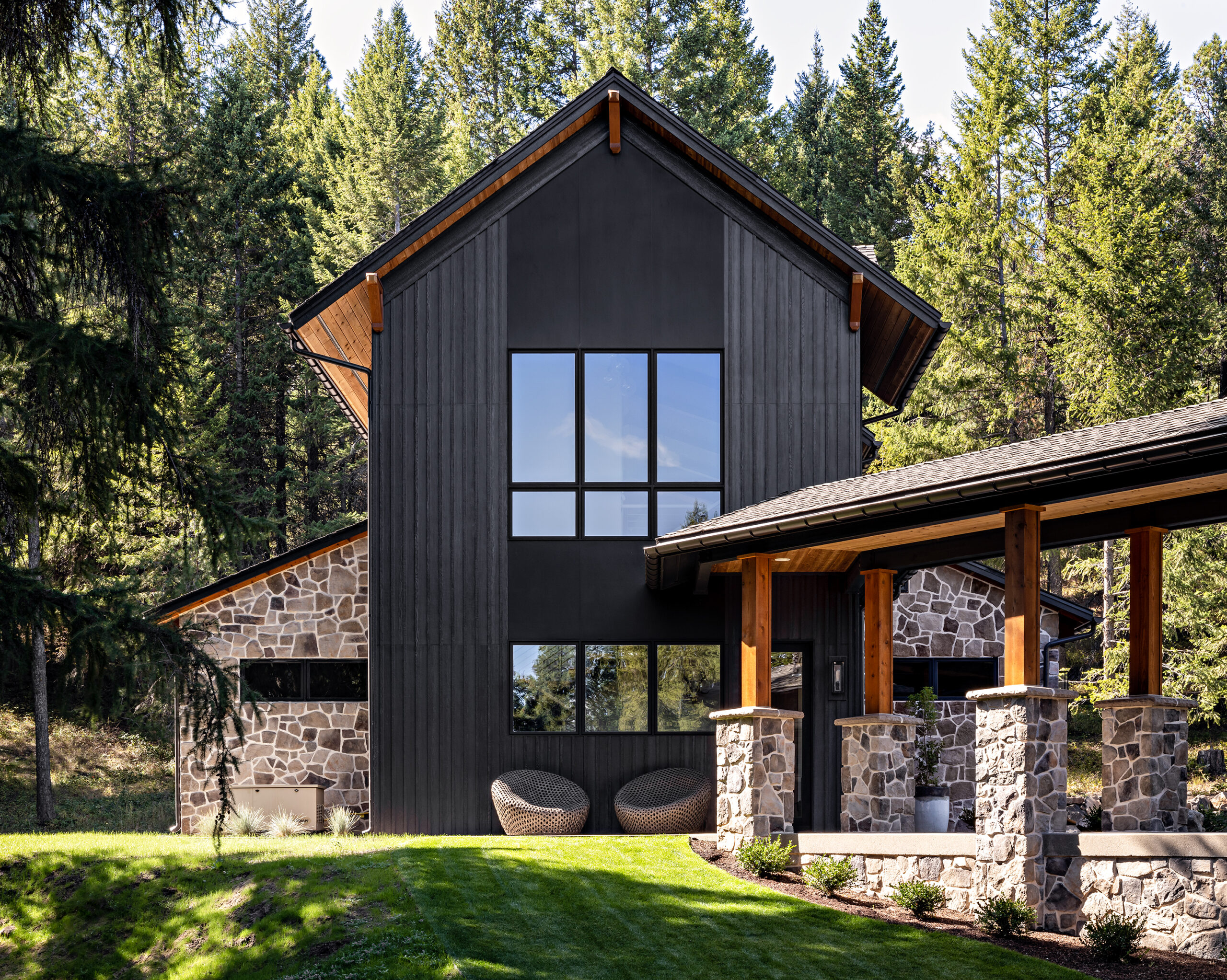

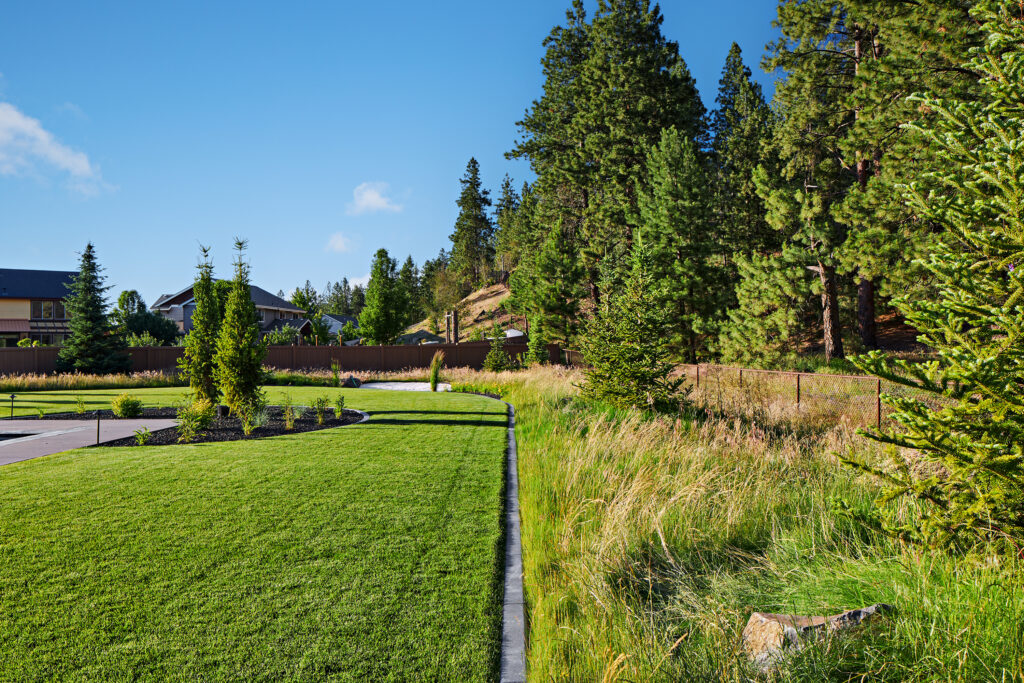
Are you thinking of revamping your outdoor space? At Blend Outdoor Design + Construction, we’re more than happy to share a plethora of landscaping ideas and garden designs that fit varying residence styles and client preferences.
Don’t hesitate to reach out to our landscaping team in Spokane Valley, WA, to get more insights and personalized guidance for your project. Whether you want a private spot for unwinding or a functional space for al fresco gatherings, you can rely on us to transform your yard into a living work of art.
What are the best outdoor lighting options for landscaping?
The best outdoor lighting options for landscaping include solar path lights for walkways, uplighting for trees, and downlighting for patios. These styles enhance safety and ambiance while showcasing your outdoor designs beautifully.
How can I incorporate outdoor lighting into my landscaping?
Incorporating outdoor lighting into your landscaping enhances beauty and functionality. Use a combination of pathway lights, accent lights for plants, and spotlighting for features to create an inviting atmosphere and improve safety during evening gatherings.
What are the latest landscaping trends for backyard gardens?
The latest landscaping trends for backyard gardens include sustainable designs, native plant usage, outdoor living spaces, and incorporating smart technology for efficiency. These elements enhance aesthetics while promoting environmental responsibility and comfort.
What features enhance outdoor lighting designs?
The features that enhance outdoor lighting designs include strategically placed fixtures, adjustable brightness levels, color temperature options, energy-efficient LEDs, weather-resistant materials, and integrated smart technology for convenience and customization.
How do I choose outdoor lighting fixtures?
Choosing outdoor lighting fixtures involves assessing your space and needs. Consider the area’s function, desired ambiance, and fixture styles to enhance safety and aesthetic appeal while ensuring energy efficiency and durability.
What styles suit landscaping for outdoor lighting?
The styles that suit landscaping for outdoor lighting include contemporary, rustic, and traditional designs. Incorporating these styles can enhance the aesthetics of your outdoor spaces while providing functional illumination.
How can lighting improve landscape aesthetics?
Lighting can significantly enhance landscape aesthetics by highlighting key features, creating ambiance, and adding depth to outdoor spaces. Thoughtfully designed lighting transforms gardens, pathways, and architectural elements, making them visually appealing and inviting during the evening hours.
What are essential tips for outdoor lighting placement?
Essential tips for outdoor lighting placement include considering the layout of your space, illuminating pathways for safety, highlighting key features like trees or sculptures, and using layers of light for depth and warmth.
How does lighting impact safety in landscaping?
The impact of lighting on safety in landscaping is significant. Proper outdoor lighting enhances visibility, reduces the risk of accidents, and helps deter crime, making outdoor spaces safer for homeowners and visitors alike.
What landscaping elements benefit from outdoor lighting?
The landscaping elements that benefit from outdoor lighting include pathways, trees, garden features, and patios. Proper lighting enhances safety, highlights design elements, and creates an inviting atmosphere for outdoor spaces.
Can outdoor lighting highlight garden features effectively?
Outdoor lighting can effectively highlight garden features. By strategically placing lights, you can accentuate plants, pathways, and architectural elements, creating a visually appealing and inviting outdoor space both during the day and at night.
How to select energy-efficient outdoor lighting solutions?
Selecting energy-efficient outdoor lighting solutions involves choosing LED or solar-powered fixtures that reduce energy consumption and have a longer lifespan. Consider the brightness, light color, and placement to enhance aesthetics while maximizing efficiency.
What are common mistakes in outdoor lighting design?
Common mistakes in outdoor lighting design include inadequate spacing of fixtures, failure to balance light intensity, and neglecting to highlight key landscapes or architectural features. Additionally, using overly bright lights can create glare, detracting from the ambiance.
How can I design a lighting plan for gardens?
Designing a lighting plan for gardens involves assessing your space and defining areas to highlight. Focus on key features with layered lighting, including path lights, uplights, and ambient fixtures, to create a warm and inviting atmosphere.
What color temperatures work best for landscape lighting?
The best color temperatures for landscape lighting typically range from 2700K to 3000K, creating a warm, inviting atmosphere. For modern designs, cooler temperatures around 4000K can also be effective, enhancing details without overpowering the natural surroundings.
How to use lighting to extend outdoor living?
Using lighting effectively can significantly extend outdoor living by creating a warm, inviting atmosphere for evening gatherings. Incorporate string lights, lanterns, and spotlights to highlight landscaping features and enhance safety, allowing you to enjoy your outdoor space long after the sun sets.
What are innovative outdoor lighting technologies available?
Innovative outdoor lighting technologies available include LED fixtures for energy efficiency, smart lighting systems that can be controlled via apps, solar-powered lights for sustainability, and motion-sensor lights for enhanced security and convenience in outdoor spaces.
How can I integrate smart lighting in landscaping?
Integrating smart lighting in landscaping involves using programmable LED fixtures linked to a smart home system. This allows for customizable illumination patterns, enhancing aesthetics and functionality, while maximizing energy efficiency in your outdoor spaces.
What budget-friendly outdoor lighting options exist?
Budget-friendly outdoor lighting options include solar lights, string lights, LED bulbs, and motion sensor lights. These choices not only enhance your outdoor space but also save on electricity costs while providing a warm and inviting atmosphere.
How to create ambiance with outdoor landscape lighting?
Creating ambiance with outdoor landscape lighting involves strategically placing various light sources to highlight features and set a warm, inviting atmosphere. Use soft, diffused lights for pathways, spotlights for focal points, and soft glows around seating areas.
What types of fixtures are best for pathways?
The best fixtures for pathways include solar-powered lights, LED path lights, and traditional lanterns. These options provide both functionality and aesthetic appeal, ensuring safe navigation while enhancing the beauty of your outdoor spaces.
How do I ensure outdoor lighting sustainability?
Ensuring outdoor lighting sustainability involves using energy-efficient LED fixtures, incorporating solar lighting options, and utilizing smart technology for automated controls. Additionally, strategically positioning lights can minimize energy use while enhancing the beauty of your landscape.
What safety regulations should I consider for lighting?
Safety regulations to consider for lighting involve adhering to local electrical codes, ensuring proper installation by qualified professionals, using weather-resistant fixtures outdoors, and following guidelines for light placement to prevent hazards and ensure adequate visibility.
How can lighting enhance outdoor entertaining spaces?
The role of lighting in enhancing outdoor entertaining spaces is significant. Thoughtfully designed lighting creates ambiance, highlights key features, and extends usability into the evening, making gatherings more enjoyable and inviting for guests.
What plants should I highlight with outdoor lighting?
Highlighting specific plants with outdoor lighting can dramatically enhance your landscape's beauty. Consider illuminating focal points such as vibrant flowers, unique tree shapes, or textured shrubs to create depth and interest in your outdoor space.
How do seasonal changes affect outdoor lighting needs?
Seasonal changes significantly affect outdoor lighting needs. As daylight hours fluctuate, lighting may need to be adjusted for safety, ambiance, and functionality throughout winter and summer, ensuring optimal illumination for your outdoor spaces year-round.
What are the benefits of motion-sensor outdoor lighting?
The benefits of motion-sensor outdoor lighting include increased security, energy efficiency, and convenience. These lights activate when motion is detected, deterring potential intruders while saving energy by only illuminating when needed.
How to blend outdoor lighting with natural features?
Blending outdoor lighting with natural features involves strategically placing lights to highlight trees, boulders, and plantings while ensuring they complement the landscape. Use warm tones and soft illumination to create an inviting atmosphere without overpowering the natural elements.
What lighting options are best for water features?
The best lighting options for water features include underwater LED lights, spotlights directed toward the feature, and floating lanterns. These choices enhance the visual appeal while highlighting the movement and tranquility of the water.
How to evaluate outdoor lighting effectiveness over time?
Evaluating outdoor lighting effectiveness over time involves regularly assessing illumination quality, observing energy consumption patterns, and checking for any dark spots or flickering lights. Adjustments should be made based on seasonal changes and specific usage needs.
landscape design blog, landscaping blog ideas, landscaping blog, hardscaping blog, landscape blog, outdoor design blog, by the yard landscaping, outdoor living services, outdoor design and construction, landscape design spokane valley, outdoor living contractor, backyard designers near me, outdoor living space contractors, landscape design ideas hub, landscape blogs
Innovative Landscaping Solutions for Sustainable Living
As homeowners increasingly prioritize sustainability, innovative landscaping solutions are becoming essential. These solutions focus on using native plants, xeriscaping, and eco-friendly materials to create beautiful outdoor spaces that require minimal resources and maintenance.
For instance, incorporating rain gardens can help manage stormwater runoff, while using permeable paving allows water to seep through, reducing erosion and promoting groundwater recharge. Additionally, selecting drought-resistant plants not only conserves water but also supports local wildlife, making your landscape both functional and environmentally friendly.
Creating a Relaxing Outdoor Living Space
Transforming your backyard into a relaxing outdoor living space involves thoughtful design and the right elements. Incorporating comfortable seating, shade structures, and decorative features can create an inviting area for family gatherings or quiet evenings.
Consider adding a pergola with climbing plants for shade, comfortable outdoor furniture, and ambient lighting to enhance the atmosphere. Features like fire pits or water elements can further elevate the space, providing warmth and tranquility, making it the perfect retreat right at home.
Choosing the Right Plants for Your Landscape
Selecting the right plants is crucial for achieving a thriving landscape that suits your aesthetic and environmental conditions. Factors such as climate, soil type, and sunlight exposure play a significant role in plant selection.
For example, native plants are well-adapted to local conditions and often require less water and maintenance. Incorporating a mix of perennials and annuals can provide year-round color and interest, while considering seasonal changes ensures your landscape remains vibrant and appealing throughout the year.
Understanding Hardscaping: The Foundation of Landscape Design
Hardscaping refers to the non-plant elements of landscape design, such as patios, walkways, and retaining walls. It provides structure and functionality to outdoor spaces, enhancing both usability and aesthetic appeal.
Using materials like stone, brick, or concrete can create durable surfaces that complement your home’s architecture. Thoughtful hardscaping design can define spaces, guide movement throughout the landscape, and provide essential support for plants and features, making it a vital aspect of any landscaping project.