
Softscapes
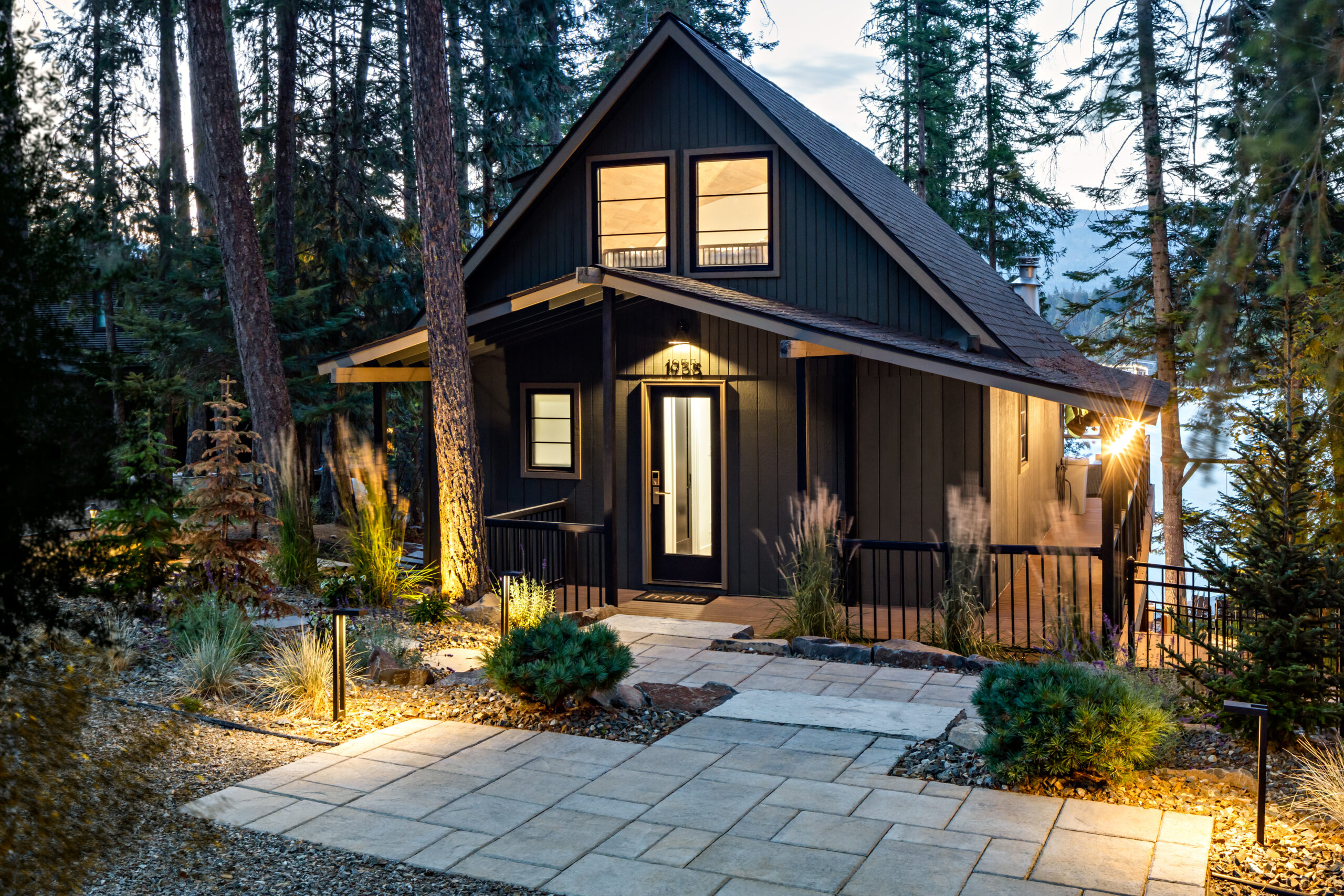
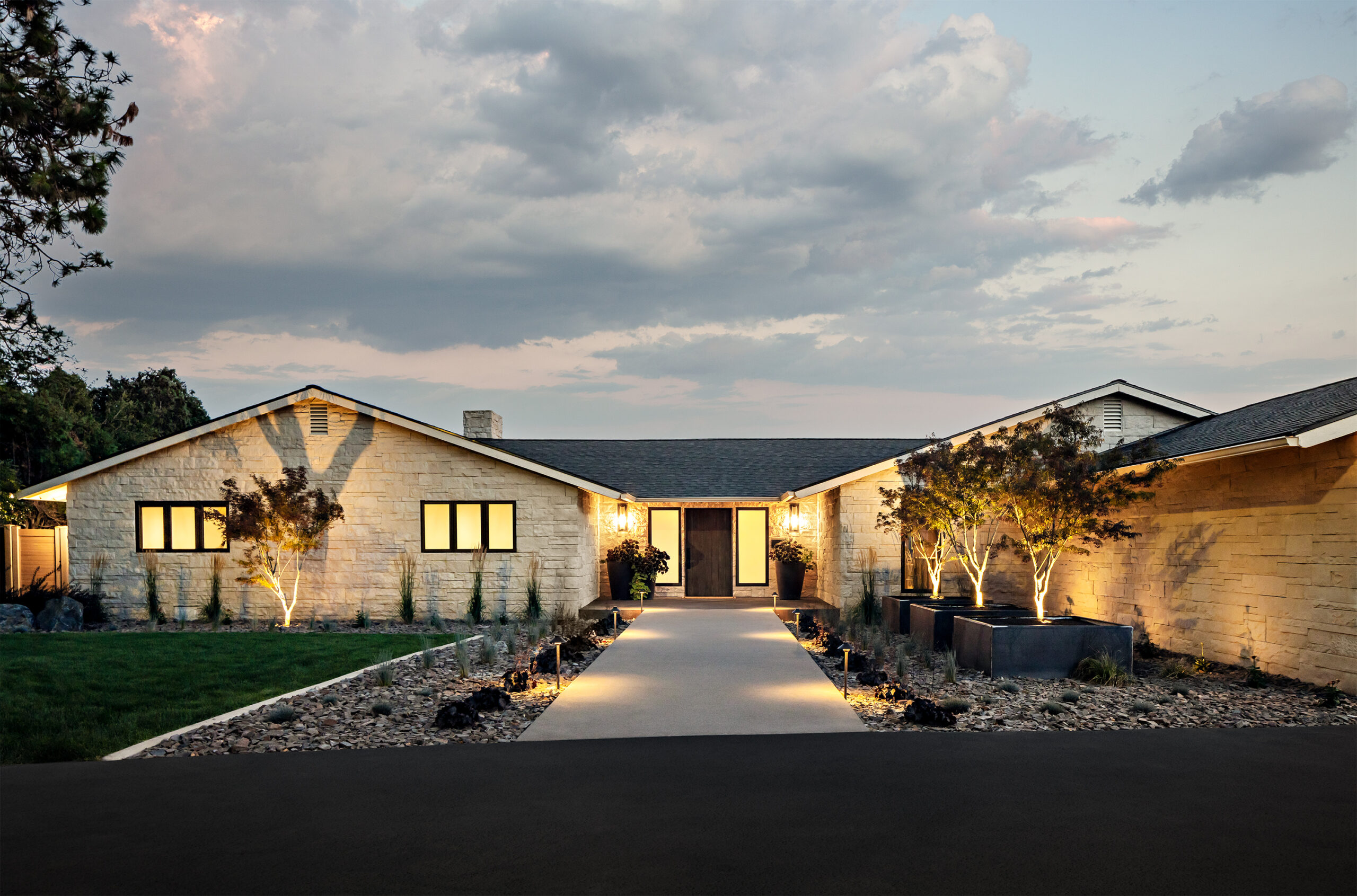
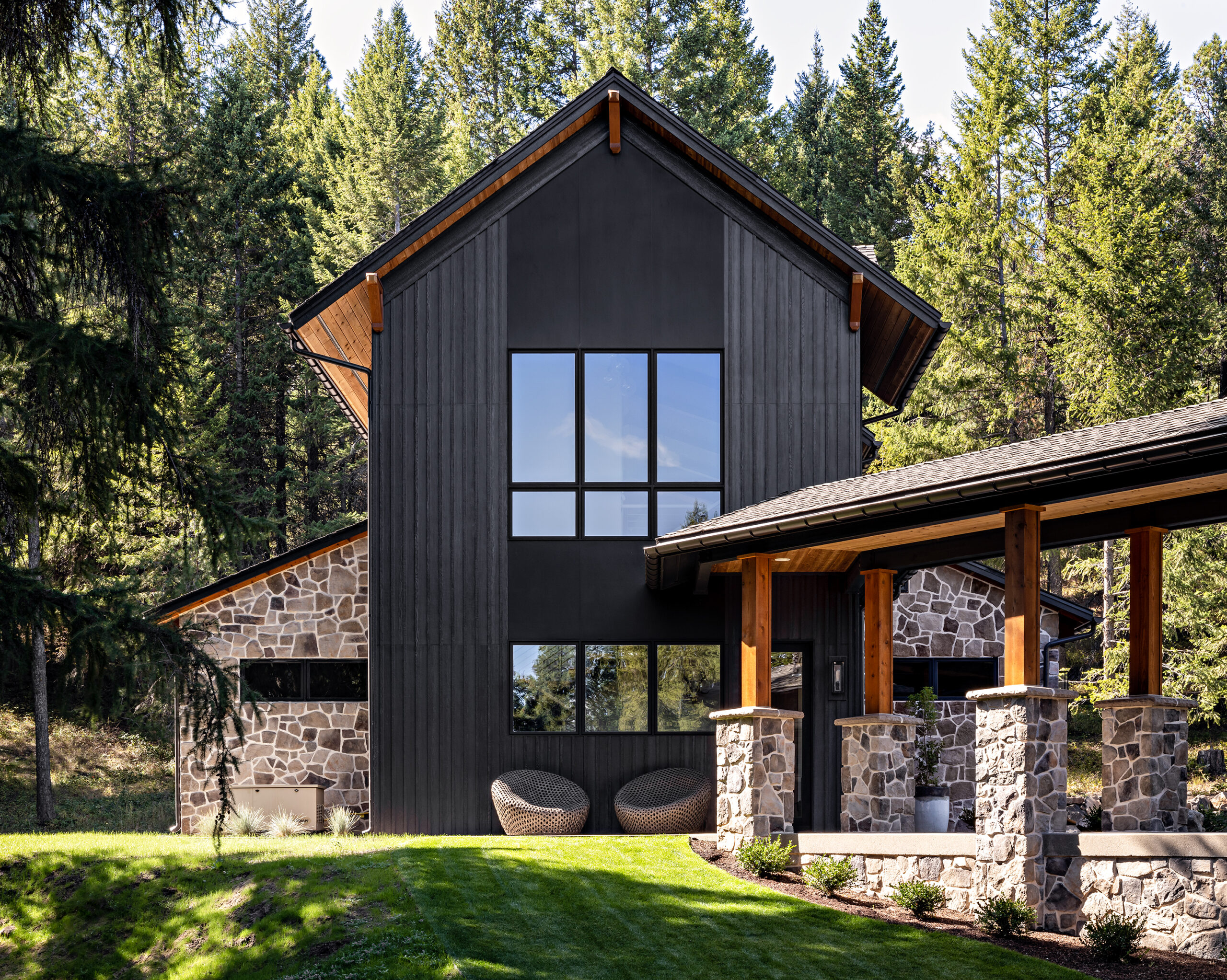
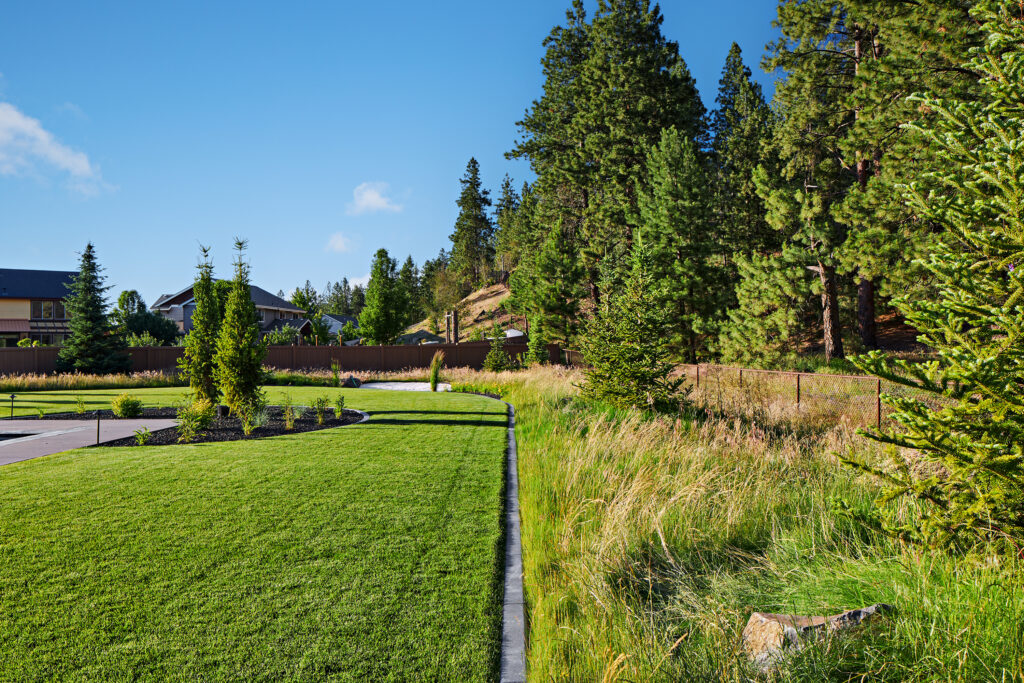
Low maintenance plants, trees, and lush turf designed to thrive in Spokane and Coeur d'Alene's seasons. We select native and adaptive species for year-round beauty.
Learn MoreWe combine creative landscape design with expert construction to transform your outdoor space into a seamless extension of your home.
At Blend Outdoor, we believe your landscape should be a seamless extension of your home. We combine the creative vision of our meticulous landscape designers to take the guesswork out of your design-build landscape project.
Our unique landscape design process helps our clients see what options exist for their home, ensuring that the final result is beyond what you imagined. Then, our skilled construction team brings that vision to life one element at a time. From locally sourced stone to drought-tolerant greenery, we build landscapes that aren't just beautiful — they're built to thrive in Spokane and Coeur d'Alene's unique climates.
From softscape plantings to hardscape construction and comprehensive landscape design, we create outdoor spaces tailored to your lifestyle and the Inland Northwest climate.
Low maintenance plants, trees, and lush turf designed to thrive in Spokane and Coeur d'Alene's seasons. We select native and adaptive species for year-round beauty.
Learn More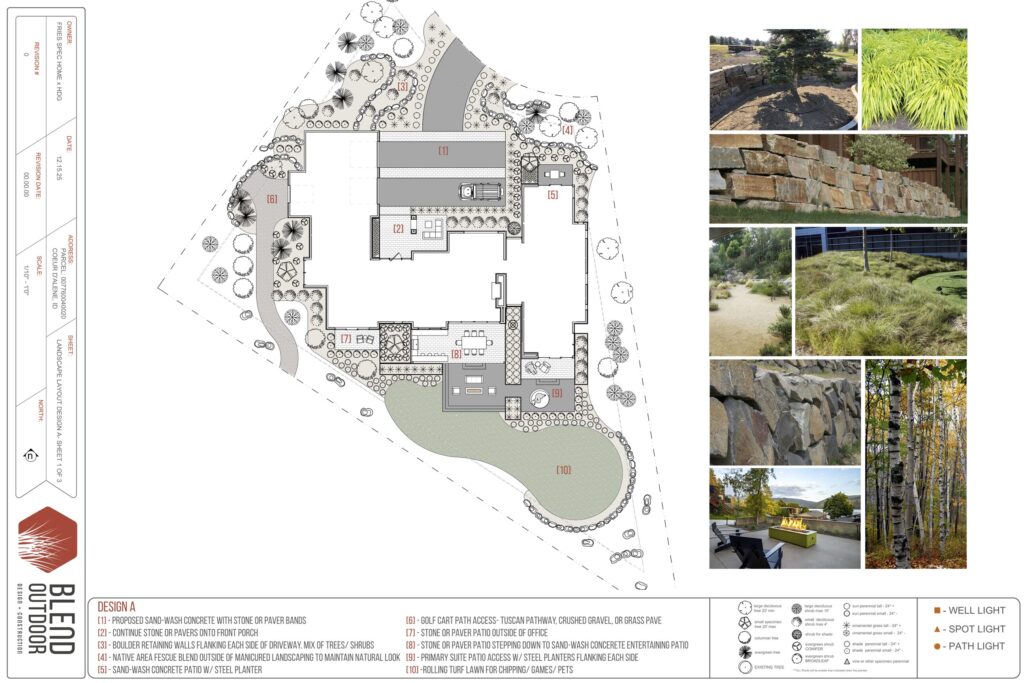
Bring your ideas to life with 3D renderings, ensuring every detail is perfectly planned before the first stone is set. Our process is collaborative and transparent.
Learn More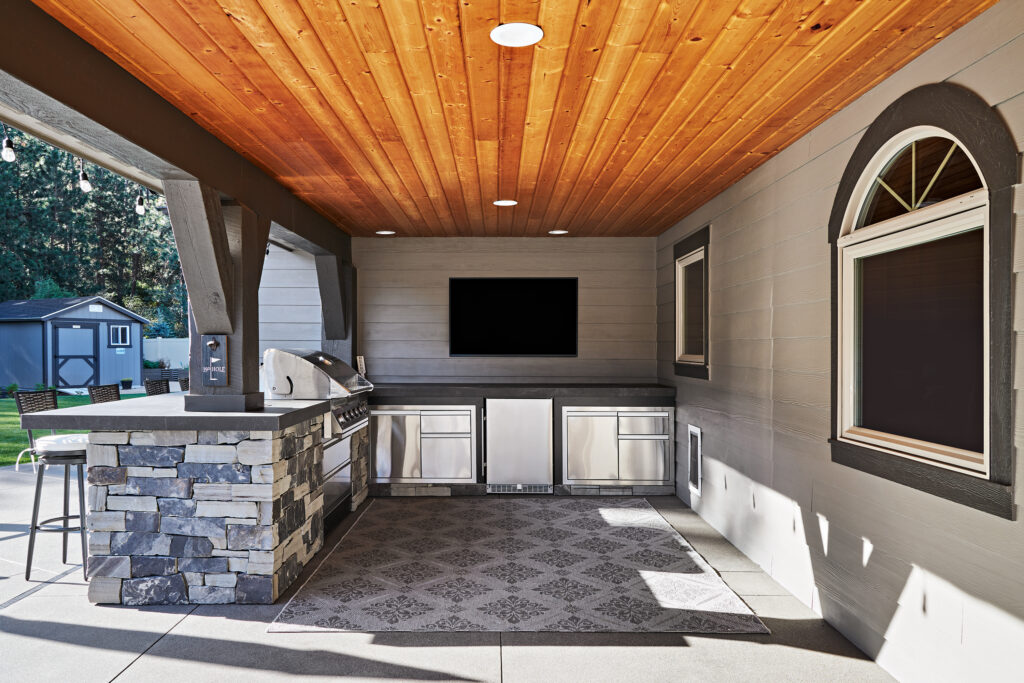
Functional outdoor living spaces — patios, retaining walls, outdoor kitchens, and fire features — designed to be a natural extension of your home.
Learn MoreAt Blend Outdoor, our process is built around transparency, collaboration, and craftsmanship — from the first conversation to the final walkthrough.
Blend Outdoor completely transformed our backyard. Their design process made it easy to visualize the end result, and the construction quality exceeded our expectations. We couldn't be happier with our outdoor living space.
Schedule a free consultation with our team. We'll visit your property, discuss your vision, and show you what's possible.
Schedule Consultation