
Low-Maintenance Landscape Designs for Busy Homeowners
Landscaping can turn your outdoor space into a personal haven, but tending to a traditional garden can be tough when you don’t have enough time. If you’re a busy person, you can still have a gorgeous and functional yard while saving time and effort to manage it. Here are several low-maintenance landscape design tips to achieve that.
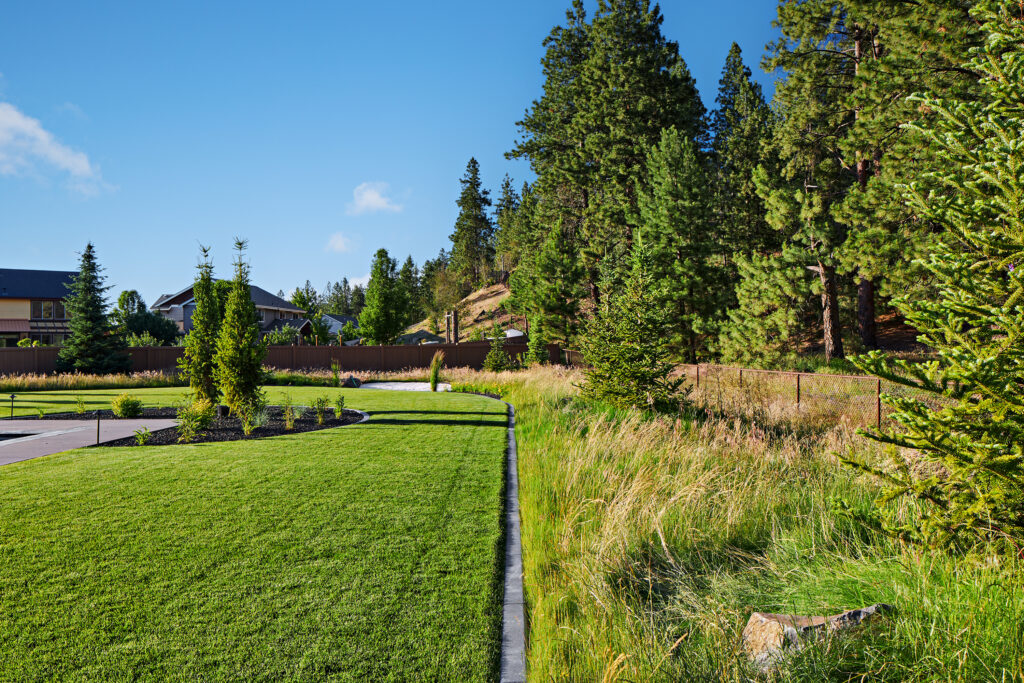
Plant Native and Perennial Plants If rock gardens aren’t your style, you can create a self-sustaining garden using local flora and foliage. Native plants are well-adapted to your climate and soil and resistant to pests and diseases unique to your area, making them easier to grow and care for. Using perennials also adds color and texture to your outdoor space. They require less water and pruning and come back year after year, reducing the need for replanting.
Add Potted or Container Plants Using pots makes moving plants easier, allowing you to determine areas for the plants’ best growing conditions or create new backyard looks. You can also try grouping pots of different sizes and heights for a dynamic visual feature. Be sure to choose plants that can thrive in containers, like herbs and succulents.
Apply Mulch to Garden Beds Mulching is a simple yet effective way to lock in moisture and suppress weeds. Organic types, such as bark, leaves, straw, or wood chips, decompose over time, nourishing and enhancing the soil. Add a layer of mulch over beds and replenish it annually to give your garden a tidy look. The only caveat is the maintenance; mulch requires more weeding than rock.
Install Artificial Grass Do you love having a pristine lawn but dread mowing, watering, or fertilizing? Consider using fake grass for a manageable lawn. Modern artificial turf looks and feels realistic and is ideal for kids and pets. In spite of the additional cost compared to sod, it only needs occasional hosing to stay fresh.
Set Up Drip Irrigation Say goodbye to frequent watering with a drip or automatic irrigation system. These devices are programmed to water your plants at the right amounts and times, even when you’re away from home. Automating irrigation also reduces water waste, making garden maintenance more efficient.
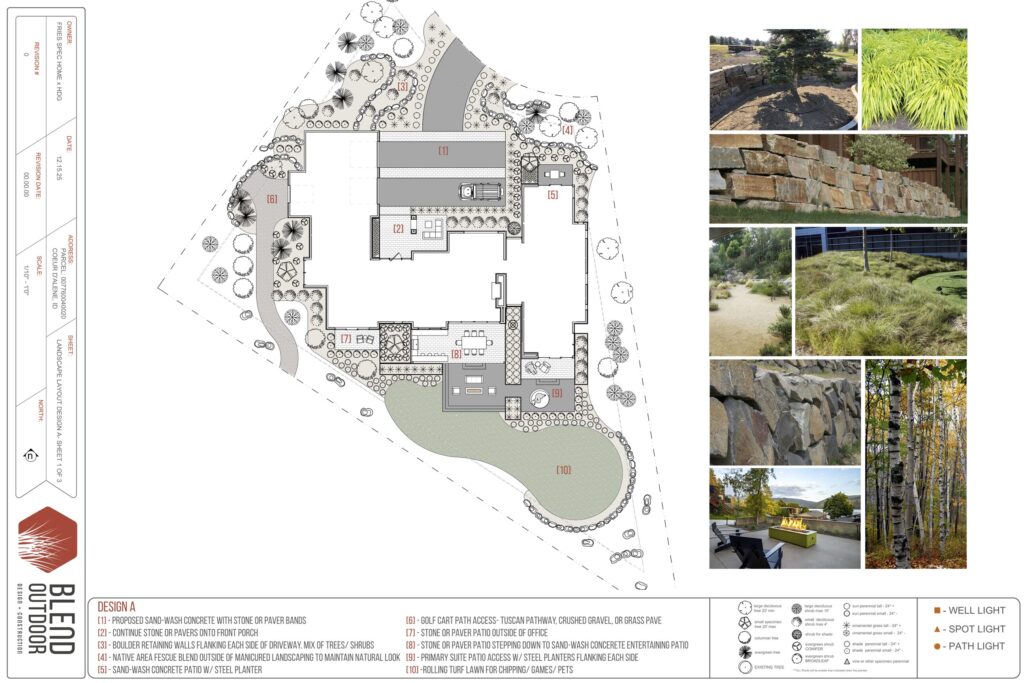
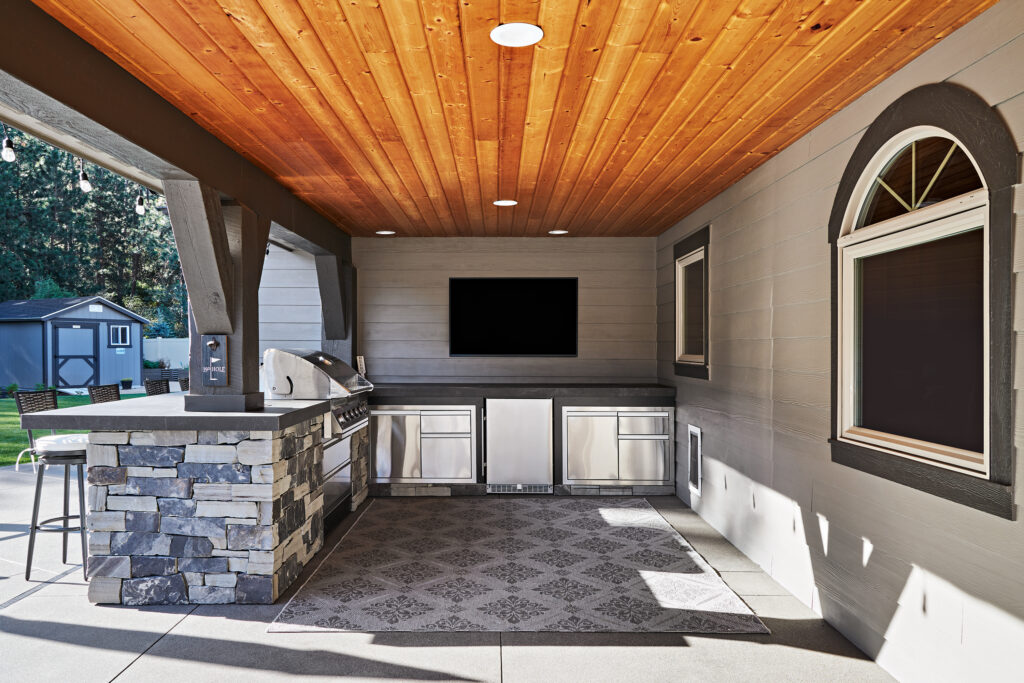
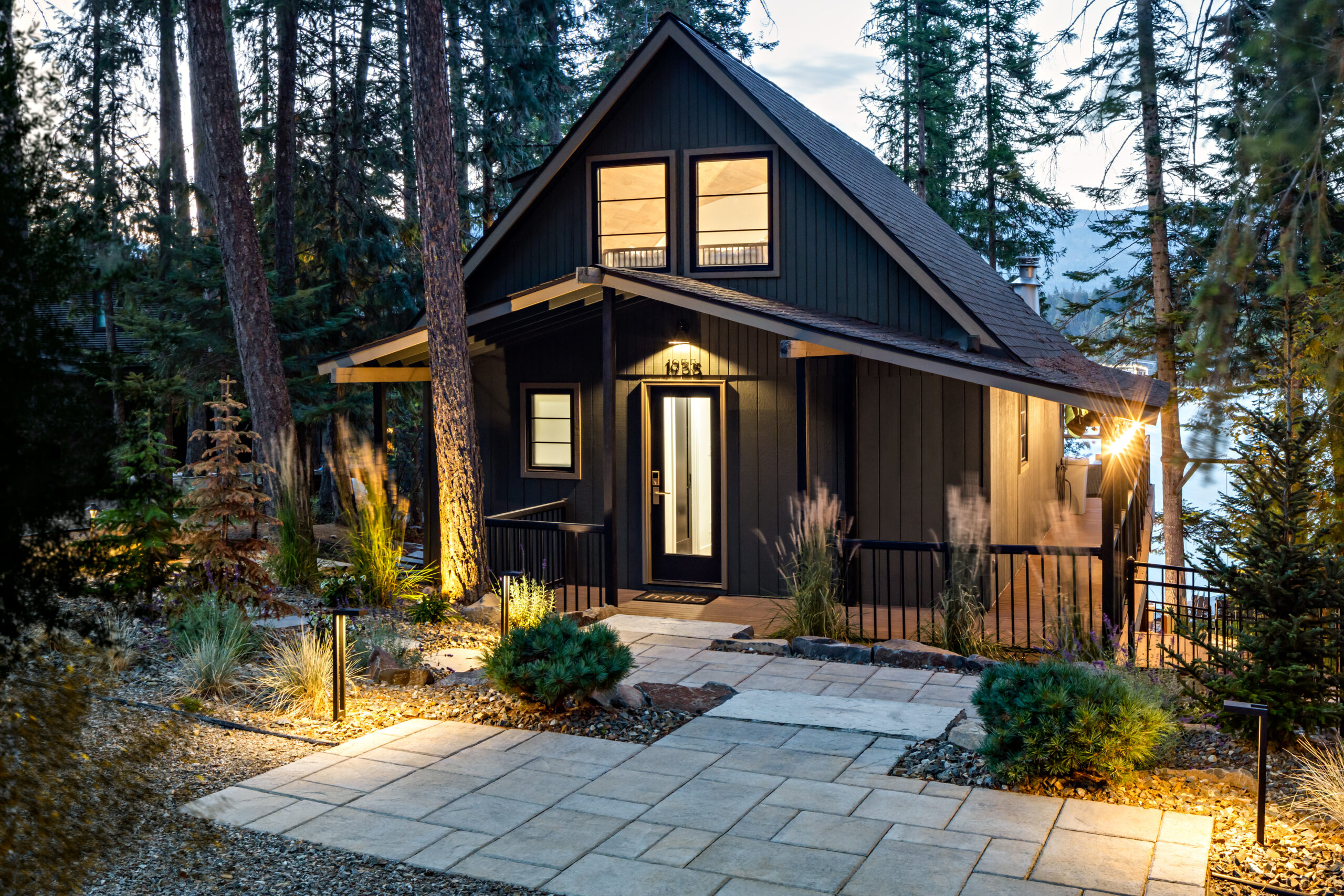
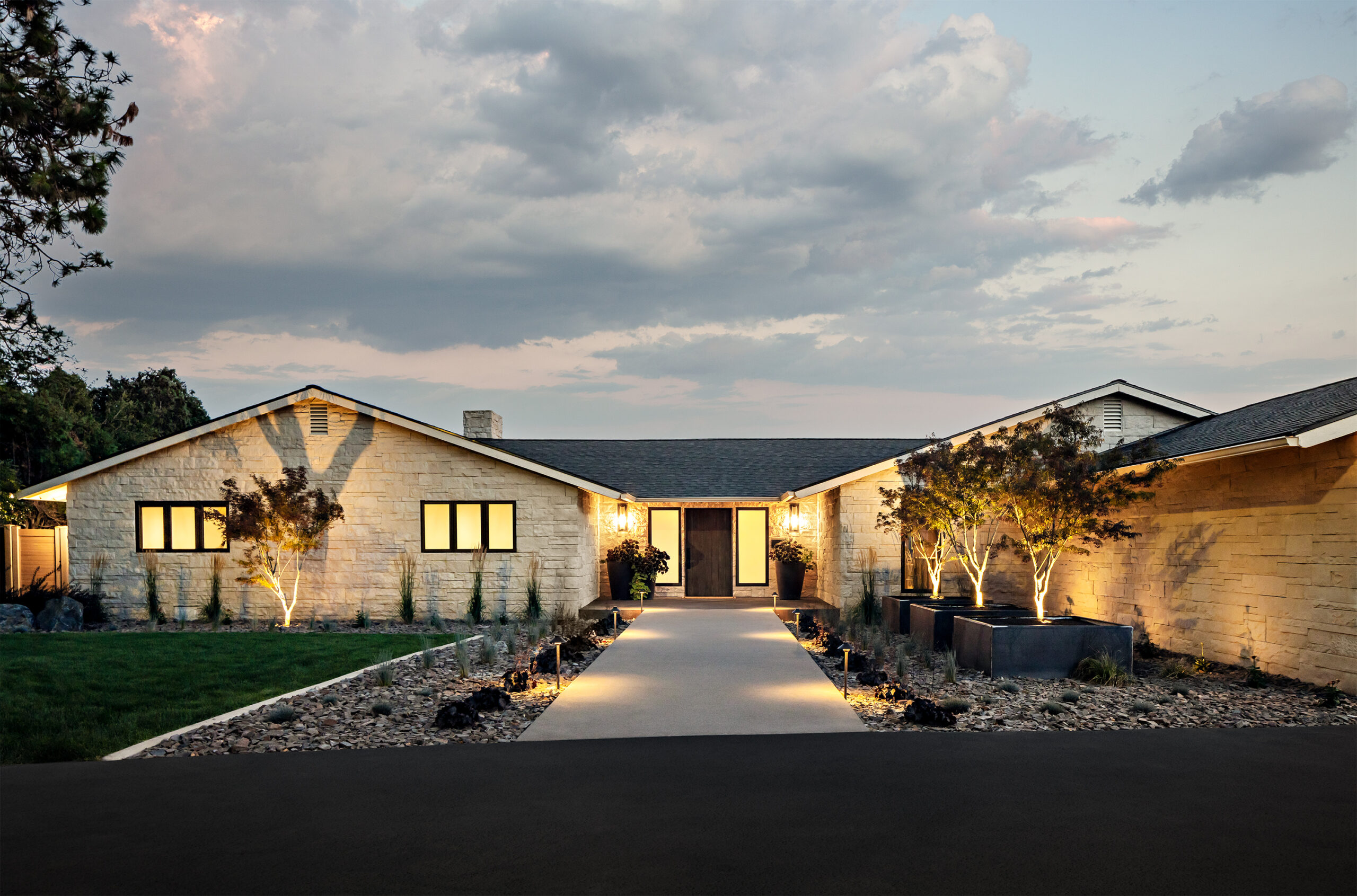
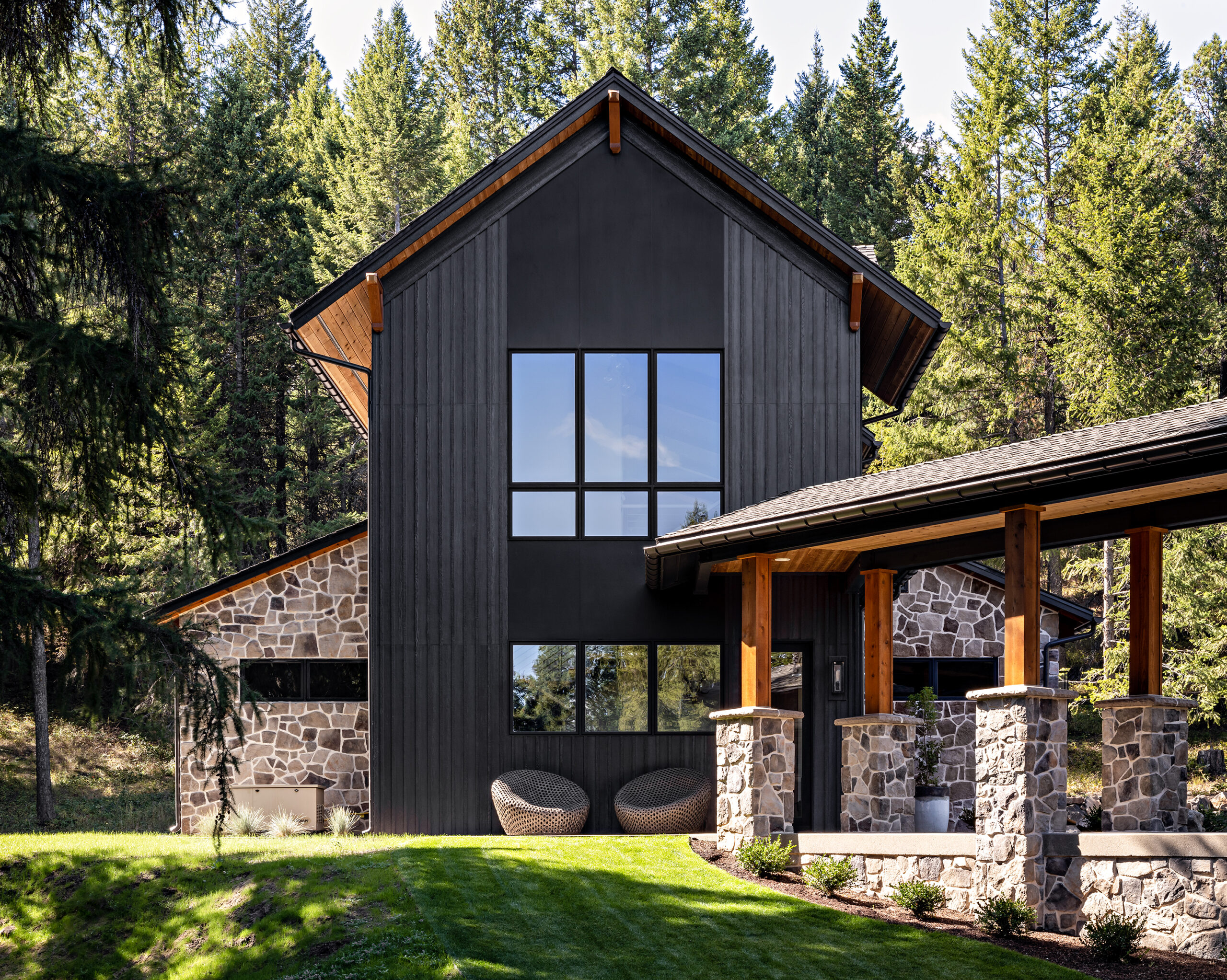
Incorporate Low-Maintenance Hardscapes Adding pathways, patios, benches, and retaining walls can significantly reduce the time needed for weeding and mowing. Hardscape elements, especially those made with durable materials like brick and stone, require reduced maintenance while adding structure and functionality to your space.
Enjoy Your Dream Oasis Without the Hassle Managing a gorgeous backyard doesn’t have to be complicated or time-consuming. By following these low-maintenance landscape design ideas, you can create a lovely outdoor space that fits your busy lifestyle. Plan your project with us at Blend Outdoor Design + Construction in Spokane Valley, WA.
What are the basics of low maintenance landscaping designs?
The basics of low maintenance landscaping designs include selecting native plants suited to your climate, using mulch to suppress weeds, incorporating potted plants for flexibility, and implementing efficient irrigation systems like drip irrigation to reduce water needs.
Can I use mulch in low maintenance landscaping?
Using mulch in low-maintenance landscaping is a great option. It helps suppress weeds, retain moisture, and improve soil health, making your yard beautiful while minimizing upkeep.
What are some low maintenance ground cover options?
Low-maintenance ground cover options include native plants like creeping thyme, sedum, and moss. These selections thrive in Spokane Valley’s climate, require minimal upkeep, and provide attractive, sustainable solutions for busy homeowners seeking a beautiful landscape.
How do I create a low-maintenance garden landscape design?
Creating a low-maintenance garden landscape design involves choosing native plants, incorporating potted arrangements, using mulch for weed control, and considering artificial grass. Additionally, installing a drip irrigation system simplifies watering, ensuring an easy-care outdoor space.
How can I minimize yard work in my backyard?
To minimize yard work in your backyard, consider using native plants, installing mulch beds, and opting for low-maintenance features like potted plants, artificial grass, or a drip irrigation system. These strategies create a beautiful space that requires less upkeep.
What are the easiest plants to care for in a backyard?
The easiest plants to care for in a backyard include native grasses, succulents, and perennials like daylilies and lavender. These options thrive with minimal maintenance, making them perfect for busy homeowners looking for low-maintenance landscaping solutions.
Can I use artificial turf for a low maintenance lawn?
Using artificial turf is a great solution for a low-maintenance lawn. It requires minimal upkeep, eliminating the need for mowing, watering, and fertilizing, making it ideal for busy homeowners.
How often should I water low maintenance plants?
The watering frequency for low maintenance plants typically depends on the specific species and local climate; however, a general guideline is to water them once a week, allowing the soil to dry out slightly between waterings.
What are some low maintenance border ideas?
Low maintenance border ideas include using native plants, decorative rocks, or drought-resistant shrubs, which require minimal care while adding beauty. Consider incorporating potted plants for flexibility and ease in maintaining your landscape design.
How can I create a low maintenance garden design?
Creating a low-maintenance garden design involves selecting drought-tolerant native plants, incorporating mulch, using potted plants for flexibility, and implementing drip irrigation systems to minimize watering needs. Consider artificial grass for easy upkeep in areas with heavy foot traffic.
What features make landscaping low maintenance?
Low-maintenance landscaping features include the use of native plants, which require less water and care, the incorporation of mulch to suppress weeds, the installation of drip irrigation for efficient watering, and opting for potted plants or artificial grass for easy upkeep.
How to choose low maintenance plants effectively?
Choosing low-maintenance plants effectively involves selecting native species, which require less water and care, and utilizing drought-resistant varieties. Prioritize plants that thrive in your local climate and soil conditions to ensure ease of maintenance and lasting beauty.
What is the role of mulch in landscaping?
The role of mulch in landscaping is to conserve moisture, suppress weeds, regulate soil temperature, and improve soil health as it decomposes. This low-maintenance solution enhances the beauty of your yard while reducing the effort needed for upkeep.
How does artificial turf benefit homeowners?
The benefits of artificial turf for homeowners include minimal maintenance, water conservation, and year-round aesthetics. It eliminates the need for mowing and chemical treatments, making it an ideal solution for busy lifestyles while enhancing the beauty of outdoor spaces.
What plants thrive in low maintenance gardens?
Plants that thrive in low maintenance gardens include native varieties such as lavender, sedum, and ornamental grasses. These plants require minimal care, are drought-resistant, and enhance the beauty of your landscape without demanding extensive upkeep.
What are innovative low maintenance design ideas?
Innovative low maintenance design ideas include using native plants that require minimal care, incorporating potted plants for flexibility, applying mulch to reduce watering needs, installing artificial grass for a green space without upkeep, and implementing drip irrigation systems for efficient watering.
How can I use rocks in landscaping?
Using rocks in landscaping can enhance visual interest while reducing maintenance. They can serve as decorative elements, create natural pathways, or provide drainage. Consider utilizing various sizes and colors to complement your garden design effectively.
What are some drought-tolerant plant options?
Drought-tolerant plant options include native grasses, succulents, lavender, and sage. These plants thrive in dry conditions, making them ideal for low-maintenance landscapes that require minimal water and care.
How to plan a low maintenance backyard?
Planning a low maintenance backyard involves selecting native plants, using mulch to suppress weeds, incorporating potted plants for flexibility, and installing drip irrigation systems to reduce watering efforts.
What landscaping materials require minimal upkeep?
Landscaping materials that require minimal upkeep include native plants, ornamental grasses, mulch, potted plants, and artificial grass. These options not only reduce maintenance time but also enhance the beauty of your outdoor space.
How can I simplify garden maintenance tasks?
Simplifying garden maintenance tasks can be achieved by selecting low-maintenance plants, using mulch to reduce weeds, implementing a drip irrigation system, and opting for potted plants for flexibility and ease of care.
What are the best low maintenance shrubs?
The best low maintenance shrubs include varieties like junipers, boxwoods, and barberries. These shrubs require minimal pruning, are drought-tolerant, and can thrive in various conditions, making them ideal for busy homeowners in Spokane Valley.
How can I design a pet-friendly garden?
Designing a pet-friendly garden involves creating a safe and enjoyable space for your furry friends. Use non-toxic plants, durable ground cover, and secure fencing, while providing shaded spots and accessible pathways for play and relaxation.
What outdoor lighting options minimize maintenance?
Outdoor lighting options that minimize maintenance include LED fixtures, solar-powered lights, and fixtures with durable, weather-resistant materials. These solutions offer long-lasting performance and require little to no upkeep, making them ideal for busy homeowners.
How to create interest in low maintenance landscaping?
Creating interest in low-maintenance landscaping involves showcasing its benefits, such as time-saving features and eco-friendliness. Highlighting stylish designs with native plants and innovative materials can attract homeowners seeking beautiful yet manageable outdoor spaces.
What ground cover alternatives are water-efficient?
Water-efficient ground cover alternatives include native grasses, creeping thyme, sedum, and clover. These options require less water and maintenance, making them ideal for creating a beautiful landscape while conserving water in Spokane Valley.
How often should I prune low maintenance plants?
The frequency of pruning low-maintenance plants depends on the specific type, but generally, a light pruning once a year is sufficient to promote growth and maintain shape without excessive effort.
What landscaping mistakes to avoid for low upkeep?
The landscaping mistakes to avoid for low upkeep include selecting high-maintenance plants, overwatering, and neglecting proper mulching. Opt for native, drought-resistant plants, ensure efficient irrigation systems, and use mulch to minimize weeds and conserve moisture.
How can I make my garden sustainable?
Making your garden sustainable involves using native plants, implementing drip irrigation, adding mulch for moisture retention, and incorporating eco-friendly practices. These strategies minimize water usage and maintenance while promoting a healthier ecosystem.
What is the best layout for low maintenance gardens?
The best layout for low-maintenance gardens focuses on simplicity and efficiency. Incorporating features like native plants, mulch beds, and pathways minimizes upkeep while creating a visually appealing space that fits busy lifestyles.
Essential Tips for Choosing Low-Maintenance Plants
Selecting the right plants is crucial for creating a low-maintenance landscape. Focus on native species that are well-adapted to your local climate, as they typically require less water and care compared to non-native varieties. Look for plants that thrive in your hardiness zone and are known for their resilience against pests and diseases.
In Spokane Valley, consider options like lavender, sedum, and ornamental grasses, which not only enhance the aesthetic of your yard but also demand minimal upkeep. These plants are drought-resistant and can survive with limited watering, making them perfect for busy homeowners who want a beautiful garden without the hassle of extensive maintenance.
Innovative Hardscaping Solutions for Low-Maintenance Yards
Incorporating hardscapes into your landscape design can significantly reduce maintenance needs. Features such as patios, pathways, and retaining walls minimize the areas that require mowing or weeding, allowing you to enjoy your outdoor space without the constant upkeep of traditional gardens.
Consider using permeable pavers for your pathways and patios, which allow water to drain while reducing weed growth. Additionally, adding decorative gravel or stone features can create visual interest with minimal effort, transforming your yard into a stylish and functional space that requires little maintenance.
Water Conservation Strategies for Low-Maintenance Landscaping
Implementing effective water conservation strategies is essential for maintaining a low-maintenance landscape. Drip irrigation systems are an excellent choice as they deliver water directly to the plant roots, minimizing waste and reducing the frequency of watering.
In addition to drip irrigation, consider using mulch to retain soil moisture and suppress weeds. This combination not only saves time and effort but also promotes healthier plants that thrive with less water. By prioritizing water-efficient practices, you can create a sustainable landscape that aligns with your busy lifestyle.
Creating a Sustainable Low-Maintenance Garden
Designing a sustainable low-maintenance garden involves selecting eco-friendly practices that enhance the beauty of your outdoor space while minimizing environmental impact. Start by incorporating native plants that require less water and care, which help support local wildlife and biodiversity.
Additionally, consider using organic mulch and compost to enrich your soil naturally. Implementing rainwater harvesting systems can also contribute to sustainability by providing a free water source for your plants. By focusing on these sustainable practices, you can enjoy a thriving garden that is both low-maintenance and environmentally friendly.