
Waterfront Backyard Landscaping That Blends With Nature
Living on the water is a treat; you have stunning views and endless opportunities to enjoy recreational activities. But you can enjoy your time outside even more when you have a functional area that artfully complements its surroundings. Let’s explore backyard landscaping tips for crafting the perfect space for relaxation, leisure, and immersion in nature.
Plan the Layout Carefully
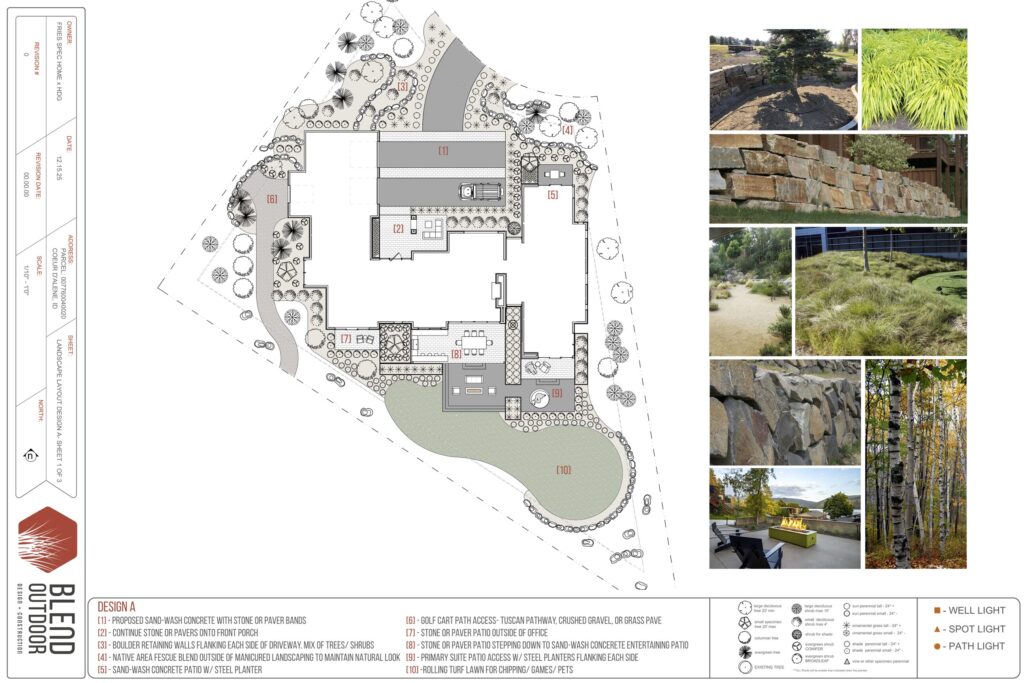
Set up the stage for your landscape by incorporating colors, patterns, and curves. Curving lines like walkways or retaining walls direct the eye to areas of interest, guide movement throughout the yard, and help narrow down which hardscapes to use. You can make pathways using sand, pebbles, and stones and emulate the natural terrain by strategically placing rocks and boulders, creating a smooth land-to-water transition.
Moreover, balance the hardscapes and embrace the surrounding habitat’s wild charm with shrubs, flowers, and trees. Choose native varieties that adapt well to water to stabilize the soil and prevent erosion. With these elements, your backyard can mirror the peaceful presence of the water and feel like an extension of the natural world.
Design Comfy Spaces That Highlight the View
Build an area, such as a deck, gazebo, pergola, open-air patio, or veranda, that makes it easier to admire the sparkling waters. These structures offer shade, privacy, and protection from the elements, letting you and your guests unwind without worries.
Additionally, use furnishings that enhance relaxation. Stylish rocking and foldable chairs are more practical than conventional lawn chairs. Consider getting a hammock if you prefer to nap or read under a canopy of leaves. You can also add accent furniture, like:
Chaises
Coffee Tables
Weather-Resistant Cushions
Porch Swings
Build Entertainment Venues
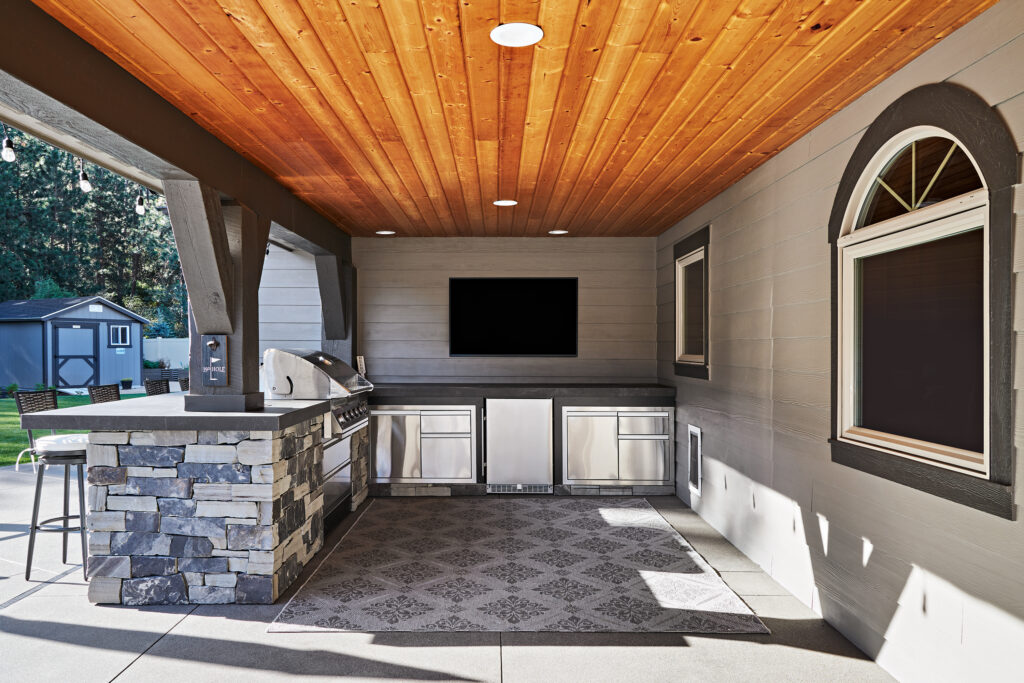
Enjoy al fresco meals with family and friends by the water in an outdoor kitchen or bar. This area can be custom-designed and may feature a full line of appliances, including:
Refrigerator
Grill, Oven, Smoker, and Burners
Cabinets and Countertops
Sink
A fire pit is another excellent addition for intimate socializing on chilly and long nights. Fire pits come in different shapes, sizes, and styles, from circular brick to freestanding steel types. With so many options, you can find one that matches your ideal aesthetic.
Install Outdoor Lighting
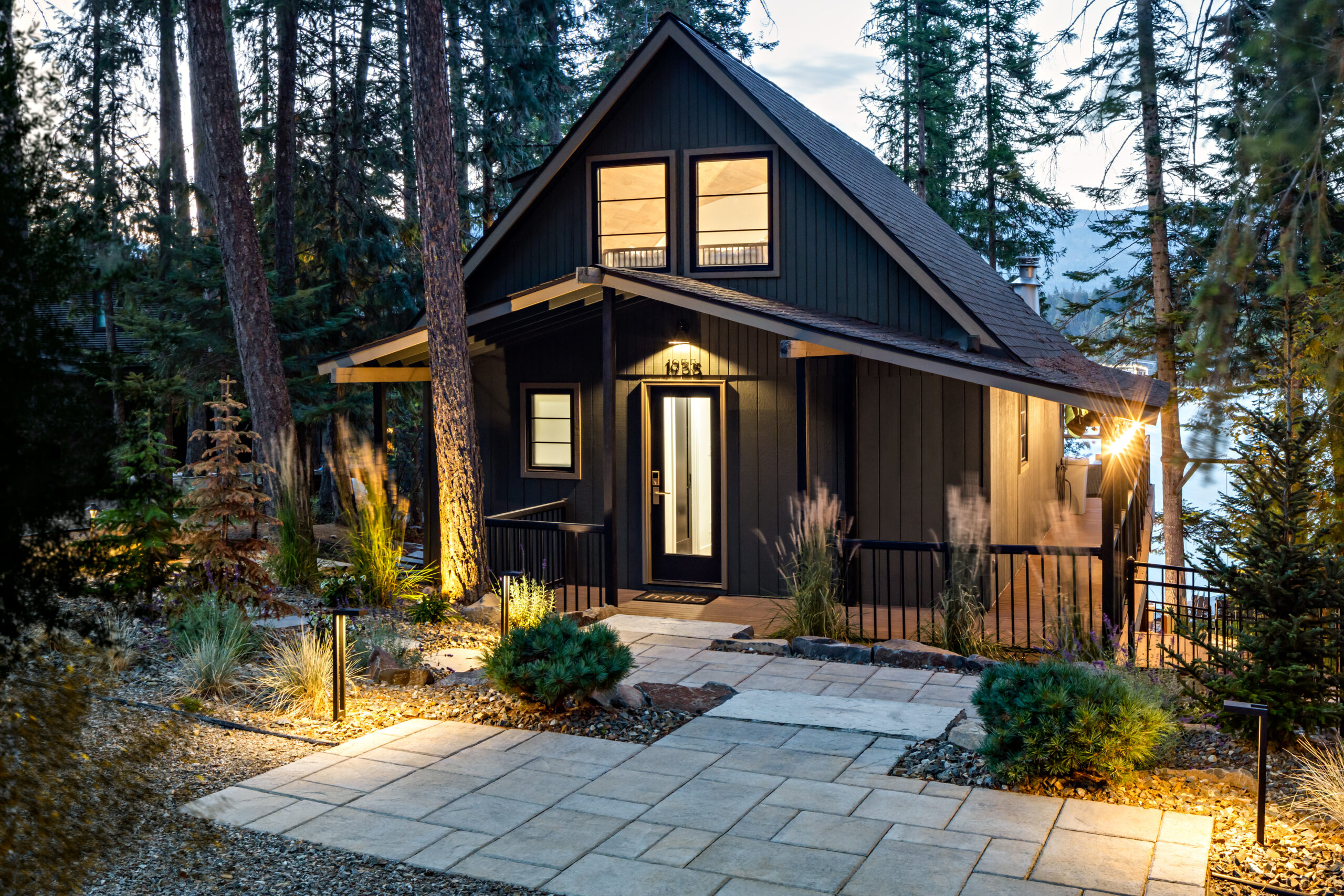
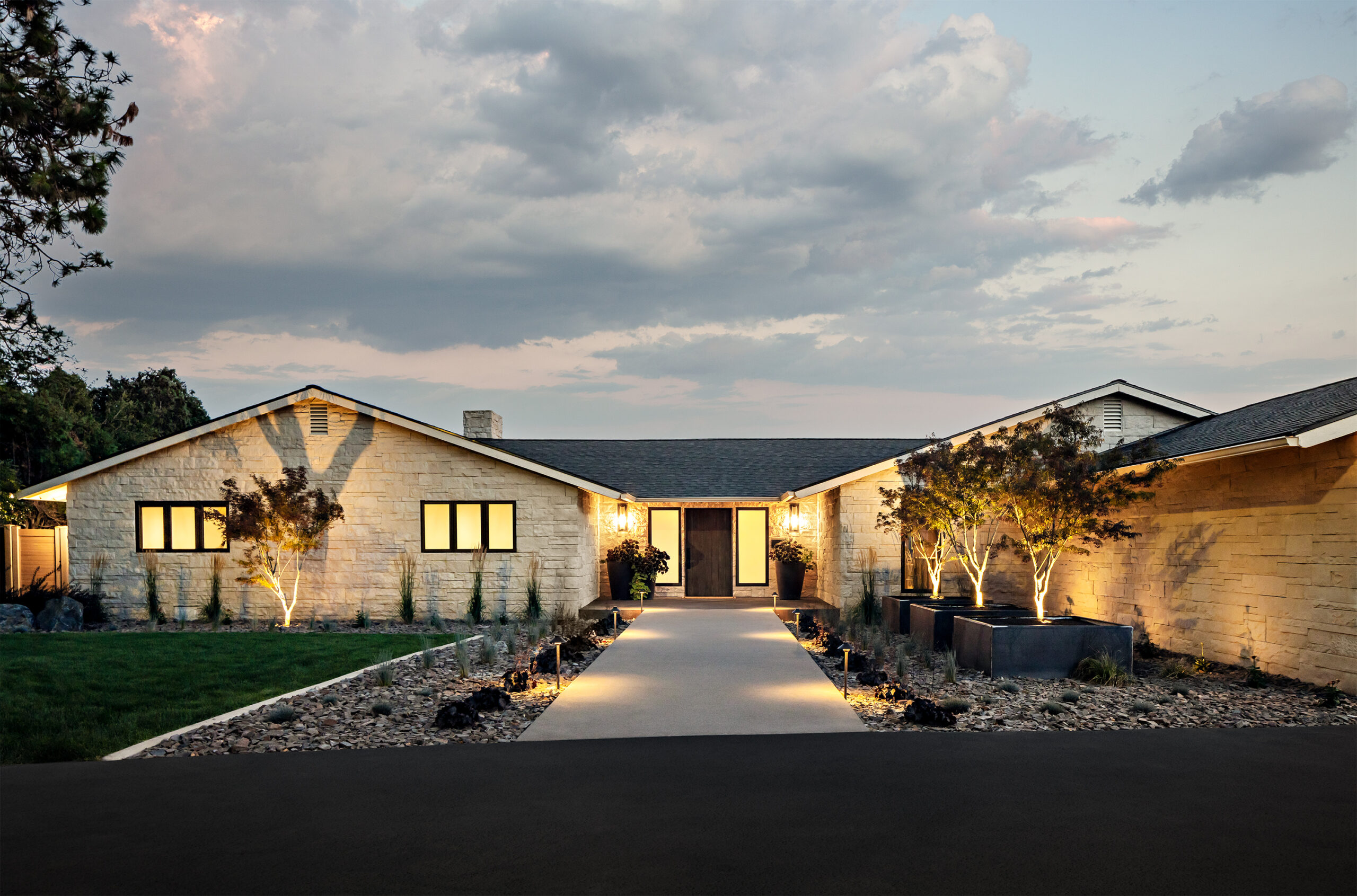
Finally, complete your waterfront backyard with proper lighting. Add lights around your gazebo, veranda, or outdoor kitchen and bar to illuminate walkways. Position them thoughtfully to emphasize the view and your home’s architectural and landscaping features. Lanterns, string lights, and soft and warm lighting fixtures also create a cozy atmosphere to make your evenings magical.
Spruce Up Your Yard With Blend Outdoor + Construction
Remember, waterfront landscaping is about accentuating the scenery and crafting a relaxing space that blends seamlessly with the environment. If you’re looking for landscaping ideas for lakefront cabins or high-end residences, consult with our team in Spokane Valley, WA. Let’s build your little paradise together!
What are the best waterfront landscaping ideas for small spaces?
The best waterfront landscaping ideas for small spaces include using vertical gardens to maximize greenery, incorporating multi-functional furniture for relaxation, and installing compact water features to enhance tranquility while creating visually appealing areas that blend seamlessly with the natural surroundings.
How do I incorporate outdoor lighting into waterfront landscaping?
Incorporating outdoor lighting into waterfront landscaping enhances ambiance and safety. Use pathway lights to guide visitors, position accent lights to highlight features like trees or water, and consider soft, diffused lighting to create a tranquil atmosphere that blends with nature.
What are some waterfront landscaping ideas for lakefront properties?
Waterfront landscaping ideas for lakefront properties include native plants for natural beauty, comfortable seating areas for relaxation, and gentle pathways leading to the water. Incorporating a fire pit or outdoor kitchen can enhance outdoor entertaining while ensuring harmony with the natural surroundings.
How do I protect my waterfront landscape from erosion?
Protecting your waterfront landscape from erosion involves implementing measures such as planting native vegetation, installing retaining walls, and utilizing natural barriers like stone or mulch to stabilize the soil and absorb water impact.
How do I design a waterfront landscape for erosion control?
Designing a waterfront landscape for erosion control involves incorporating native plants, creating vegetation buffers, and using structures like riprap or seawalls to stabilize soil. These elements work together to reduce erosion while enhancing the natural beauty of your space.
What are the benefits of waterfront landscaping for property value?
The benefits of waterfront landscaping for property value are significant, as it enhances aesthetic appeal, increases outdoor functionality, and creates a tranquil environment that attracts potential buyers, ultimately leading to higher market value for waterfront properties.
What are the best materials for waterfront landscaping retaining walls?
The best materials for waterfront landscaping retaining walls include natural stone, concrete blocks, and timber. These materials not only offer strength and durability but also seamlessly blend with the natural surroundings, enhancing the aesthetic appeal of your waterfront property.
What are some low-maintenance waterfront landscaping ideas?
Low-maintenance waterfront landscaping ideas include using native plants, installing gravel beds instead of grass, incorporating permeable paving, and utilizing decorative rocks. These options enhance beauty while reducing upkeep and harmonizing with the natural surroundings.
What are the key elements of a waterfront landscaping design?
The key elements of a waterfront landscaping design include harmonious plant selections, functional outdoor living spaces, comfortable furnishings, and strategic lighting, all working together to enhance the natural beauty of the waterfront environment.
What is the importance of drainage in waterfront landscaping?
The importance of drainage in waterfront landscaping is vital for preventing water accumulation, which can lead to erosion, plant damage, and foundation issues. Proper drainage ensures healthy plant growth and maintains the integrity of your outdoor space.
What are the benefits of native plants in waterfront landscaping?
The benefits of native plants in waterfront landscaping include enhancing biodiversity, reducing erosion, and requiring less maintenance. They thrive in local conditions, support wildlife, and help create harmonious, sustainable outdoor spaces that blend seamlessly with the natural environment.
How do I choose the right plants for waterfront landscaping?
Choosing the right plants for waterfront landscaping involves selecting species that thrive in wet conditions, promote soil stability, and enhance the natural beauty of your property. Consider native plants and those that tolerate both sun and water to create a harmonious outdoor space.
How can I incorporate hardscapes into waterfront landscaping design?
Incorporating hardscapes into waterfront landscaping design involves using materials like stone, pavers, and wood to create pathways, patios, and retaining walls that enhance the natural beauty while providing functionality and support for outdoor activities.
What waterfront landscaping ideas increase property value?
Waterfront landscaping ideas that increase property value include installing native plants for low maintenance, creating functional outdoor spaces like decks or patios, and utilizing soft lighting to enhance the natural beauty while improving curb appeal.
What are some waterfront landscaping ideas for coastal areas?
Waterfront landscaping ideas for coastal areas include using native plants for easy maintenance, creating terraced gardens to prevent erosion, incorporating sandy paths, and designing outdoor living spaces that blend seamlessly with natural views.
What styles enhance small waterfront gardens?
The styles that enhance small waterfront gardens include contemporary designs with clean lines, rustic charm with natural materials, and coastal aesthetics that incorporate light colors and nautical elements. These styles create a harmonious blend with the surrounding water.
How can lighting improve waterfront aesthetics?
Lighting can significantly enhance waterfront aesthetics by creating a warm and inviting atmosphere that highlights natural features. Thoughtfully placed lighting can accentuate pathways, provide safety, and showcase beautiful views, making your outdoor space more enjoyable and visually appealing.
What plants thrive in lakefront environments?
Plants that thrive in lakefront environments include native species such as cattails, water lilies, and rushes, which provide natural beauty and habitat while helping to prevent erosion and improve water quality.
How to prevent storm damage in waterfront areas?
Preventing storm damage in waterfront areas involves strategic landscaping and careful planning. Utilize native plants for increased resilience, build windbreaks, and ensure proper drainage to protect your outdoor space from flooding and erosion.
What landscaping features control waterfront erosion?
Landscaping features that control waterfront erosion include native plants, retaining walls, riprap, and buffer zones. These elements help stabilize soil, absorb water, and reduce runoff, effectively protecting the shoreline from erosion while enhancing the natural beauty of the landscape.
How does landscaping impact property market value?
Landscaping significantly impacts property market value by enhancing curb appeal and creating inviting outdoor spaces. Well-designed landscapes can attract potential buyers, leading to higher offers and a quicker sale, ultimately increasing a property's overall worth.
Which stones are ideal for retaining walls?
The ideal stones for retaining walls include granite, limestone, and sandstone, as they provide durability and stability while complementing the natural aesthetics of waterfront landscapes. Consider the specific climate and soil conditions for best results.
What factors ensure low-maintenance waterfront gardens?
The factors that ensure low-maintenance waterfront gardens include selecting native plants, implementing efficient irrigation systems, using mulch to suppress weeds, and designing with permeable materials to enhance drainage and reduce maintenance efforts.
What design elements optimize waterfront functionality?
The design elements that optimize waterfront functionality include tiered landscaping for erosion control, durable outdoor furnishings for comfort, strategically placed pathways for easy access, and ambient lighting to enhance safety and ambiance.
How does proper drainage benefit waterfront landscapes?
Proper drainage is essential for waterfront landscapes as it prevents water accumulation, reduces erosion, and protects plants. This ensures a healthier ecosystem, maintaining the beauty and functionality of outdoor spaces by effectively managing water flow.
What native species support waterfront ecosystems?
Native species that support waterfront ecosystems include cattails, marsh grasses, and native shrubs, which provide habitat, stabilize soil, and promote biodiversity, creating a balanced environment for aquatic life and enhancing the beauty of waterfront landscapes.
What criteria help select suitable plants?
The criteria for selecting suitable plants include considering the local climate, soil conditions, sunlight exposure, and water availability. Additionally, selecting native plants can enhance compatibility with the ecosystem and reduce maintenance needs.
How to integrate patios into waterfront designs?
Integrating patios into waterfront designs enhances outdoor functionality and aesthetics. Choose natural materials that harmonize with the surroundings, create zones for relaxation and dining, and ensure seamless access to waterfront views for an inviting atmosphere.
Which landscaping ideas suit coastal properties best?
Landscaping ideas that suit coastal properties best include using salt-tolerant plants, creating sandy beach-like pathways, incorporating driftwood and boulders for natural aesthetics, and designing outdoor spaces that offer unobstructed views of the water.
How to align landscaping with natural waterfront features?
Aligning landscaping with natural waterfront features involves incorporating native plants, using natural materials, and creating seamless transitions between land and water. This approach enhances the aesthetic appeal while preserving the ecological balance of the waterfront environment.
Utilizing native plants in waterfront landscaping is essential for creating sustainable and resilient outdoor spaces. These plants are adapted to local climate conditions, require less maintenance, and provide habitat for local wildlife. By choosing native species, homeowners can enhance the natural beauty of their landscapes while contributing to biodiversity and environmental health.
For example, plants such as cattails, water lilies, and rushes not only thrive in wet conditions but also help stabilize soil and prevent erosion along shorelines. Incorporating these plants into your design can create a harmonious balance between your outdoor space and the surrounding ecosystem, ensuring a vibrant and sustainable landscape.
Enhance Erosion Control with Strategic Design
Effective erosion control is critical for maintaining the integrity of waterfront properties. Strategic landscaping design can mitigate the impacts of water runoff and soil degradation, protecting your investment while enhancing the natural beauty of your surroundings. Implementing features like vegetation buffers, retaining walls, and riprap can significantly reduce erosion and promote a healthier landscape.
For instance, planting native grasses and shrubs along the water's edge can create a natural barrier that absorbs water and stabilizes the soil. Additionally, constructing terraced gardens or using natural stone walls can help redirect water flow, minimizing erosion while adding visual interest to your outdoor space.
Optimize Outdoor Functionality with Multi-Use Spaces
Creating multi-use outdoor spaces enhances the functionality of your waterfront property, allowing for various activities and gatherings. By designing areas that can serve multiple purposes, such as outdoor kitchens, dining areas, and relaxation zones, homeowners can maximize their enjoyment of the landscape while fostering social interactions.
For example, integrating a deck with an outdoor kitchen and dining space not only provides a perfect setting for family gatherings but also offers stunning views of the waterfront. Adding comfortable seating and fire pits can further transform these areas into inviting spaces for evening entertainment, ensuring that your outdoor environment is both practical and enjoyable.
Implement Effective Drainage Solutions
Proper drainage is a crucial aspect of waterfront landscaping that prevents water accumulation and protects both plants and structures. Designing an effective drainage system can help mitigate issues related to flooding, soil erosion, and plant health, ensuring a thriving landscape year-round.
Incorporating features such as French drains, swales, and permeable paving can facilitate better water management in your yard. These solutions not only enhance the functionality of the landscape but also contribute to its aesthetic appeal, allowing homeowners to enjoy their outdoor spaces without the worry of water-related damage.